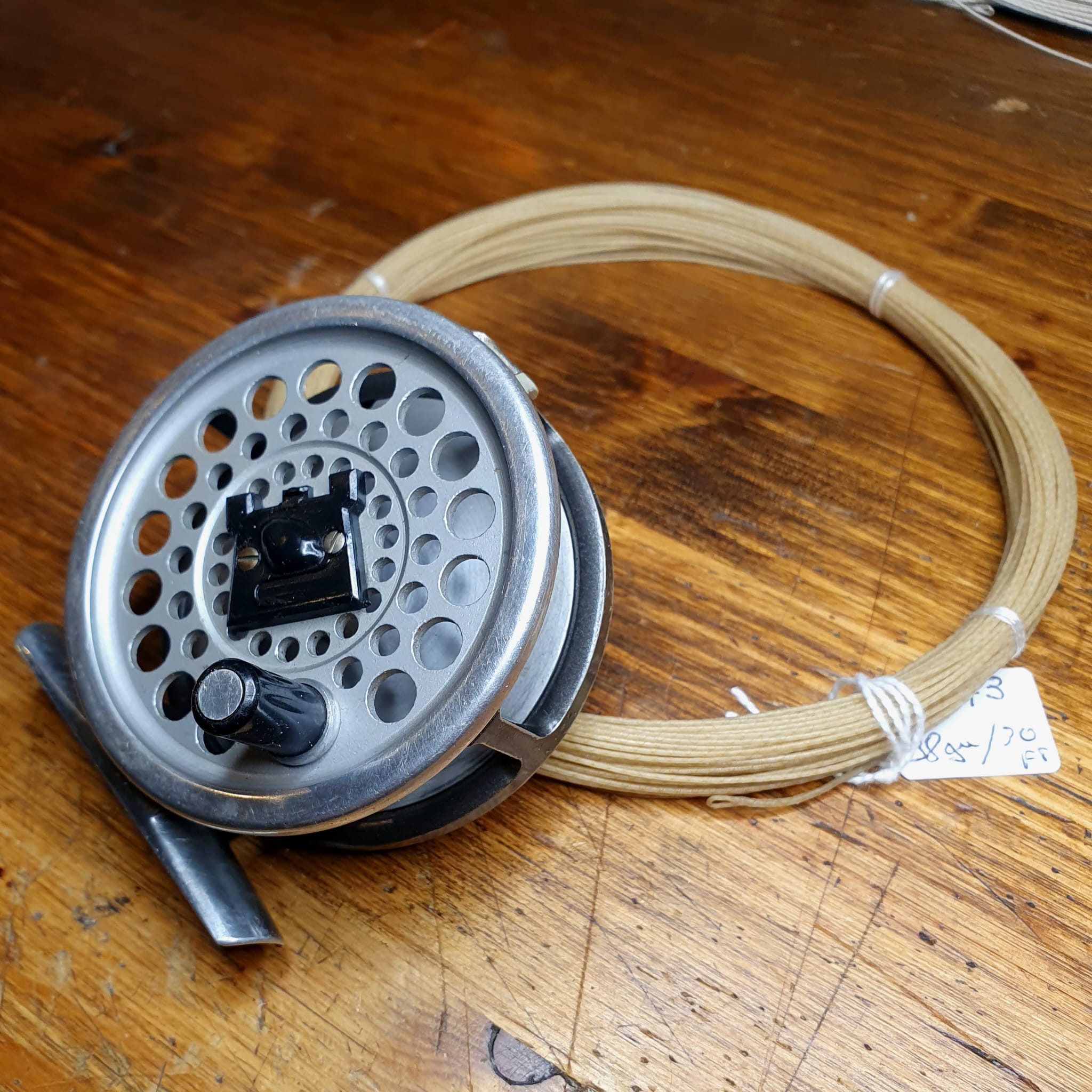
Silk Fly Fishing Lines
The Craft, Legacy, and Modern Revival of a Classic Angling Tradition
Silk fly fishing lines represent both a practical tool and an enduring symbol of the artistry in fly fishing. Revered for their finesse, durability, and tactile beauty, silk lines have woven themselves into the history of angling. While contemporary synthetic lines dominate the market, silk remains the material of choice for a dedicated cadre of traditionalists and connoisseurs.
History and Origins
Before the invention of synthetic materials, anglers relied on natural fibers to create robust, flexible lines. The use of silk for this purpose dates back to the late nineteenth and early twentieth centuries, when English and French makers perfected the art of braiding and dressing silk into fly lines. The lines were prized for their suppleness and ability to float, offering performance qualities unmatched by horsehair or linen predecessors.
Silk, the product of the mulberry silkworm, was spun and braided into cords that could be tapered and finished in a way that suited the delicate presentations demanded by fly fishing. English companies such as Hardy and Kingfisher became renowned for their meticulously crafted lines, which quickly became the standard for serious anglers.
Construction and Craftsmanship
The Raw Material
Silk fly lines begin their journey as fine filaments harvested from the cocoons of Bombyx mori silkworms. These filaments are remarkably strong for their diameter and possess a smoothness that allows them to glide effortlessly through rod guides.
Braiding and Tapering
The process of transforming silk into a fly line is labor-intensive and requires both skilled hands and a meticulous eye. The silk is first spun into threads, which are then braided — usually in a hollow or solid construction, depending on the desired characteristics. Braiding imparts both strength and flexibility, creating a line that can be treated to float or sink.
Tapering is an essential aspect of the line’s construction. Skilled artisans carefully adjust the diameter along the length of the line to achieve specific casting profiles: double taper, weight forward, level, or custom tapers. This manual tapering ensures the line loads the rod correctly and presents the fly with grace and precision.
Finishing and Dressing
Once braided and tapered, silk lines are treated with natural oils — most commonly boiled linseed oil — and other proprietary finishes. This dressing renders the line water-resistant and buoyant. The lines are dried and polished, sometimes over the course of weeks, to achieve the ideal blend of suppleness, durability, and floating ability.
Performance Characteristics
Silk lines are celebrated for their unique performance traits, which many anglers argue are superior to those of plastic-coated synthetics, particularly in the context of traditional bamboo rods.
- Sensitivity: Silk lines transmit subtle vibrations and bites more efficiently, allowing for a heightened sense of connection between the angler, the rod, and the fly.
- Presentation: The fine diameter and precise taper result in exceptionally delicate presentations, making silk ideal for wary or selective fish in clear water.
- Control: Silk lines offer superb line control both on the water and in the air, enabling precise mends and roll casts.
- Durability: When properly maintained, silk fly lines can last for decades, outlasting many synthetic alternatives.
- Versatility: With the right dressing, silk lines can be tailored to float, hover, or sink, providing versatility for a range of fishing conditions.
Maintenance and Care
Silk lines requires regular attention to perform at its best and retain its longevity. This maintenance ritual is part of the appeal for many enthusiasts, aligning them with a tradition of craft and stewardship.
Drying
After every outing, silk lines must be thoroughly dried to prevent rot or mildew. This is typically done by stripping the line from the reel and winding it loosely onto a drying frame or between two chairs.
Cleaning
Dirt and debris can compromise both the surface and the finish. Gentle wiping with a soft cloth after use ensures the line remains clean and free of abrasive particles.
Redressing
Every few outings, or whenever the line begins to lose its sheen, anglers must apply a fresh coat of line dressing — a blend of oils and waxes. This restores flotation and suppleness, and helps protect against the elements.
Storage
Silk lines should be stored in a cool, dry place, away from direct sunlight. Many anglers keep them loosely coiled in breathable cloth bags to prevent tangles and allow air circulation.
The Modern Silk Line Renaissance
After a mid-20th-century decline with the advent of PVC-coated lines, silk is enjoying a resurgence among fly fishers who seek authenticity, sustainability, and a tactile connection to angling’s heritage. Artisans in Europe and North America now produce a range of silk lines, some reviving century-old methods and others innovating with new tapers and finishes.
Comparison with Synthetic Lines
While synthetic lines offer undeniable convenience and low maintenance, they rarely match the subtlety, longevity, or ecological friendliness of silk. Silk’s responsiveness and fine diameter provide advantages in delicate presentations, while their nature appeals to environmentally conscious anglers.
Artisan Makers and Custom Lines
Today, several boutique makers offer handcrafted silk lines, often tailored to individual preferences for rod action, fishing style, and local conditions. Custom colors, specialized tapers, and personalized finishes allow anglers to match their gear and approach to perfection.
Why Choose Silk?
Opting for a silk fly line is a deliberate embrace of tradition, craftsmanship, and a slower, more reflective pace of angling. For many, the tactile joy of handling silk, the ritual of maintenance, and the knowledge that their equipment is both beautiful and enduring, outweigh the minor inconveniences.
- Silk lines pair exceptionally well with split cane (bamboo) rods, enhancing the experience for purists.
- Their environmental impact is minimal compared to plastic-based alternatives.
- They offer a unique aesthetic and sensory pleasure that modern lines cannot replicate.
Silk fly fishing lines, with their storied past and enduring appeal, remain an emblem of craftsmanship and elegance in the world of angling. Whether chosen for performance, longevity, or the simple pleasure of tradition, they invite anglers into a world where patience, care, and connection to nature are paramount. As more fishers rediscover the magic of silk, these lines stand poised to inspire a new generation to value the artistry at the heart of fly fishing.